
Prime Finish Painters
Weather Considerations for Exterior Painting
When planning an exterior painting project, understanding weather considerations is crucial for a successful outcome. This blog explores how weather impacts exterior painting and offers guidance on choosing the right conditions for your project.
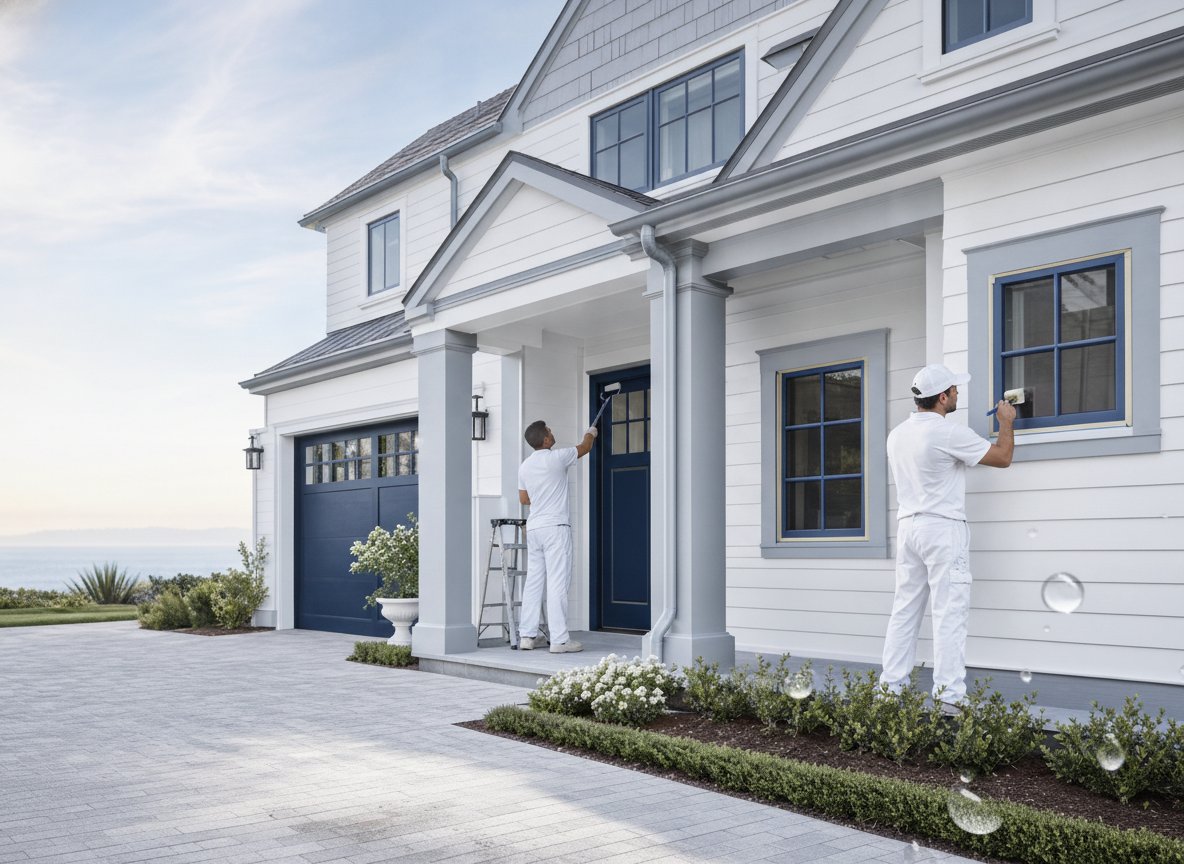
The Impact of Weather on Exterior Painting
Weather conditions play a significant role in the success of any exterior painting project. Factors such as temperature, humidity, and precipitation can affect the drying time and adhesion of paint, potentially compromising the final result.
Understanding how different weather elements impact painting can help in planning your project effectively. Ensuring optimal conditions not only enhances the appearance but also extends the longevity of the paint job.
- Temperature: Affects drying time and paint adhesion.
- Humidity: Influences the curing process and can lead to blistering.
- Precipitation: Wet surfaces prevent proper adhesion and can cause paint to run.
Ideal Weather Conditions for Exterior Painting
Choosing the right weather conditions for exterior painting can be the difference between a long-lasting finish and a premature repaint. Ideally, paint should be applied when temperatures are between 50°F and 85°F, with low humidity levels.
Avoid painting during wet or rainy conditions as moisture on the surface can prevent paint from adhering correctly. It's also wise to steer clear of painting in direct sunlight, as it can cause the paint to dry too quickly, leading to an uneven finish.
- Temperature range: 50°F to 85°F.
- Low humidity: Below 70% is optimal.
- Avoid painting in direct sunlight and during rain.
Planning Your Exterior Painting Project
Proper planning is crucial for a successful exterior painting project. Monitoring weather forecasts can help you choose the perfect time to start your painting job. Additionally, working with professional painters who understand the local climate can ensure the best results.
Prime Finish Painter, for instance, offers expert guidance tailored to New Jersey's climate, helping you achieve a flawless finish that stands the test of time.
- Check weather forecasts before planning.
- Consult with local painting professionals.
- Use high-quality, weather-resistant paints.
Frequently Asked Questions
Why is temperature important for exterior painting?
Temperature affects the drying time and adhesion of paint. Extreme temperatures can cause paint to dry too fast or not adhere properly, leading to poor results.
Can I paint my house exterior during the rainy season?
It's not recommended to paint during the rainy season as moisture can prevent paint from adhering properly and may lead to streaking or blistering.
What is the best time of year to paint the exterior of a house?
The best time to paint is during mild weather conditions, often in late spring or early fall, when temperatures and humidity levels are moderate.
Ready to Transform Your Home's Exterior?
Contact Prime Finish Painter today for expert advice and professional exterior painting services tailored to New Jersey's climate. Our team ensures a beautiful, durable finish that enhances your home's curb appeal.