
Prime Finish Painters
Ensuring Safety Protocols in Commercial Painting: Key Considerations
Explore essential safety protocols in commercial painting to ensure the health and safety of workers and clients. Learn about the importance of protective gear, proper ventilation, and adherence to safety standards in achieving successful painting projects.
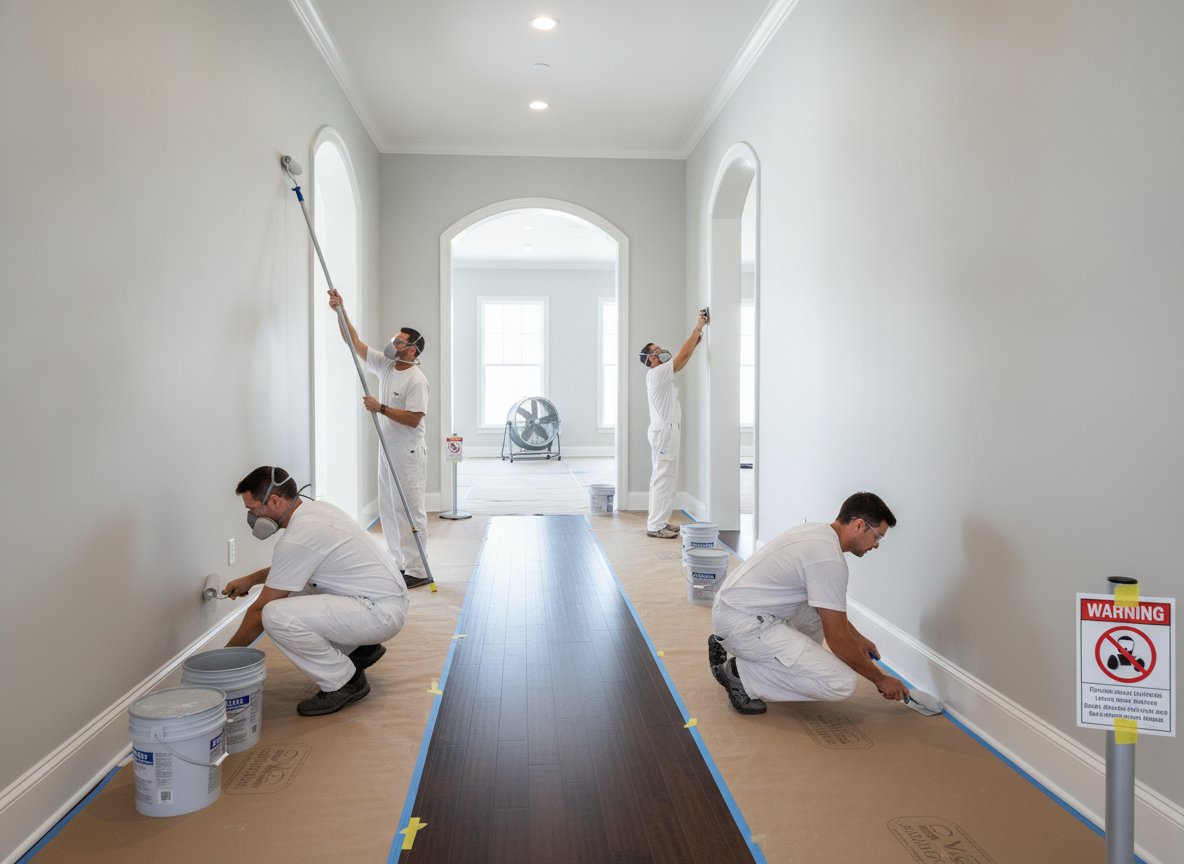
The Importance of Safety Protocols in Commercial Painting
Commercial painting projects require strict adherence to safety protocols to protect both workers and clients. Implementing comprehensive safety measures not only ensures the well-being of all parties involved but also enhances the quality and efficiency of the project. Proper safety practices help in preventing accidents, reducing liability, and maintaining a positive reputation for the painting contractor.
Adhering to established safety standards in the painting industry minimizes risks associated with hazardous materials and ensures compliance with regulatory requirements. This includes the use of non-toxic paints, proper disposal of waste, and maintaining a clean and organized work environment.
- Minimizes risk of accidents and injuries
- Ensures compliance with safety regulations
- Enhances project quality and efficiency
Key Safety Measures in Commercial Painting
To ensure safety in commercial painting, it’s vital to incorporate a range of protective measures. These include using the right protective gear, ensuring proper ventilation, and adhering to OSHA guidelines.
Protective gear such as masks, gloves, and goggles are essential in safeguarding workers from harmful fumes and potential accidents. Adequate ventilation prevents the accumulation of toxic fumes and enhances air quality, which is crucial for both workers and clients.
- Use of protective gear like masks and gloves
- Ensuring adequate ventilation
- Adherence to OSHA safety guidelines
Training and Education: A Core Component of Safety
Regular training and education for painting staff are critical in maintaining high safety standards. Workers should be well-informed about the latest safety protocols and how to handle equipment and materials safely.
Training programs should cover a variety of topics, including emergency procedures, equipment handling, and first aid. This ensures that all team members are prepared to respond effectively in the event of an emergency.
- Regular safety training sessions
- Education on equipment and material handling
- Emergency response preparedness
Conclusion: A Commitment to Safety
In conclusion, safety measures in commercial painting are indispensable for the protection of workers and clients. By prioritizing safety protocols, painting contractors can deliver quality results while ensuring a secure environment.
Implementing these protocols not only fulfills legal obligations but also builds trust with clients, demonstrating a commitment to their well-being and satisfaction.
- Ensures a secure work environment
- Builds client trust and satisfaction
- Fulfills legal and ethical obligations
Frequently Asked Questions
What protective gear is essential in commercial painting?
Essential protective gear in commercial painting includes masks, gloves, goggles, and coveralls to protect against fumes and physical hazards.
How does proper ventilation contribute to painting safety?
Proper ventilation prevents the buildup of toxic fumes, ensuring air quality is maintained for the safety of workers and clients.
Ensure the Safety of Your Painting Project
Contact Prime Finish Painter today to learn more about our commitment to safety and how we can support your commercial painting needs with top-notch safety protocols.