
Prime Finish Painters
Common Mistakes in DIY Interior Painting and How to Avoid Them
Discover the frequent pitfalls in DIY interior painting projects and learn how to avoid them. From inadequate preparation to choosing the wrong paint, these insights will help you achieve professional results.
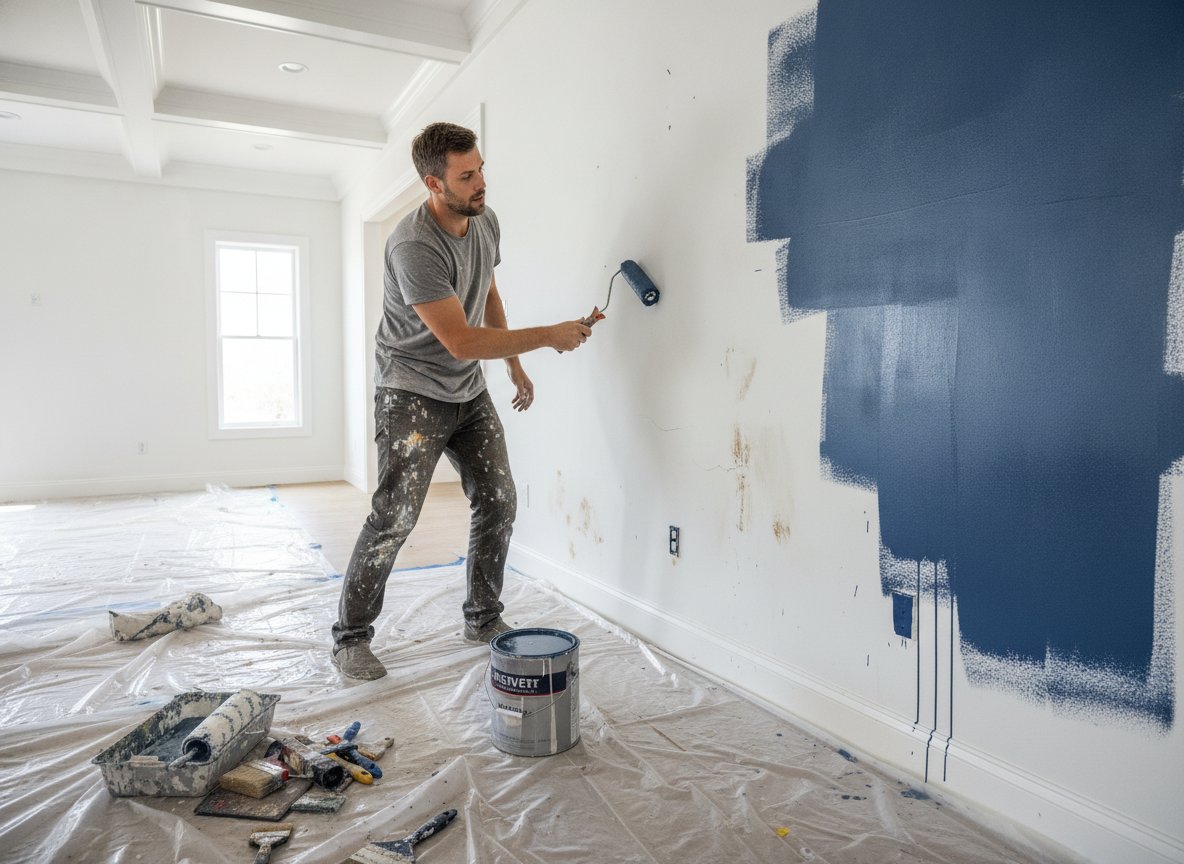
The Importance of Proper Surface Preparation
One of the most common mistakes in DIY interior painting is neglecting proper surface preparation. Without adequately preparing the walls, the final result can be uneven and prone to peeling.
Preparation involves cleaning the surfaces, repairing any damage, and applying a primer. This ensures that the paint adheres properly and lasts longer.
- Clean walls to remove dust and grease.
- Repair cracks and holes with filler.
- Apply primer for better paint adhesion.
Choosing the Right Paint and Tools
Selecting the right paint and tools is crucial for a successful painting project. Many DIYers make the mistake of opting for cheaper paints and inadequate tools, leading to subpar results.
Investing in high-quality paint and the appropriate brushes and rollers can significantly affect the finish's quality and durability.
- Use high-quality paint for better coverage.
- Choose the right brush or roller for the type of paint.
- Ensure all tools are clean and in good condition.
Avoiding Painting in Poor Conditions
Painting in poor conditions, such as high humidity or too hot temperatures, can lead to issues like blistering and uneven drying.
It's essential to consider the environment and follow the paint manufacturer's recommendations for optimal results.
- Avoid painting on humid or very hot days.
- Ensure good ventilation in the painting area.
- Follow drying time recommendations between coats.
Skipping the Final Touches
Rushing through the final touches can ruin an otherwise great paint job. It's important to take your time with edges, trims, and touch-ups to achieve a professional look.
Detailed work around the edges and ensuring even coverage will make your DIY project look professional.
- Use painter's tape for clean edges.
- Double-check for missed spots and touch up as needed.
- Remove tape carefully to avoid peeling paint.
Frequently Asked Questions
What should I do to prepare my walls for painting?
To prepare your walls for painting, clean them thoroughly to remove any dust or grease, repair any cracks or holes, and apply a primer to ensure the paint adheres properly.
How do I choose the right type of paint for my project?
Selecting the right paint involves considering the room's purpose, the surface you're painting, and the desired finish. High-quality paints from reputable brands usually offer better coverage and durability.
Transform Your Space with Professional Interior Painting
Avoid common DIY painting mistakes and achieve a flawless finish with our expert interior painting services. Contact Prime Finish Painter for a free consultation today.