
Prime Finish Painters
Overcoming the Challenges of Painting in Coastal Climates
Painting in coastal climates presents unique challenges due to harsh weather conditions. Discover strategies for choosing the right materials and techniques to ensure long-lasting, beautiful finishes in seaside environments.
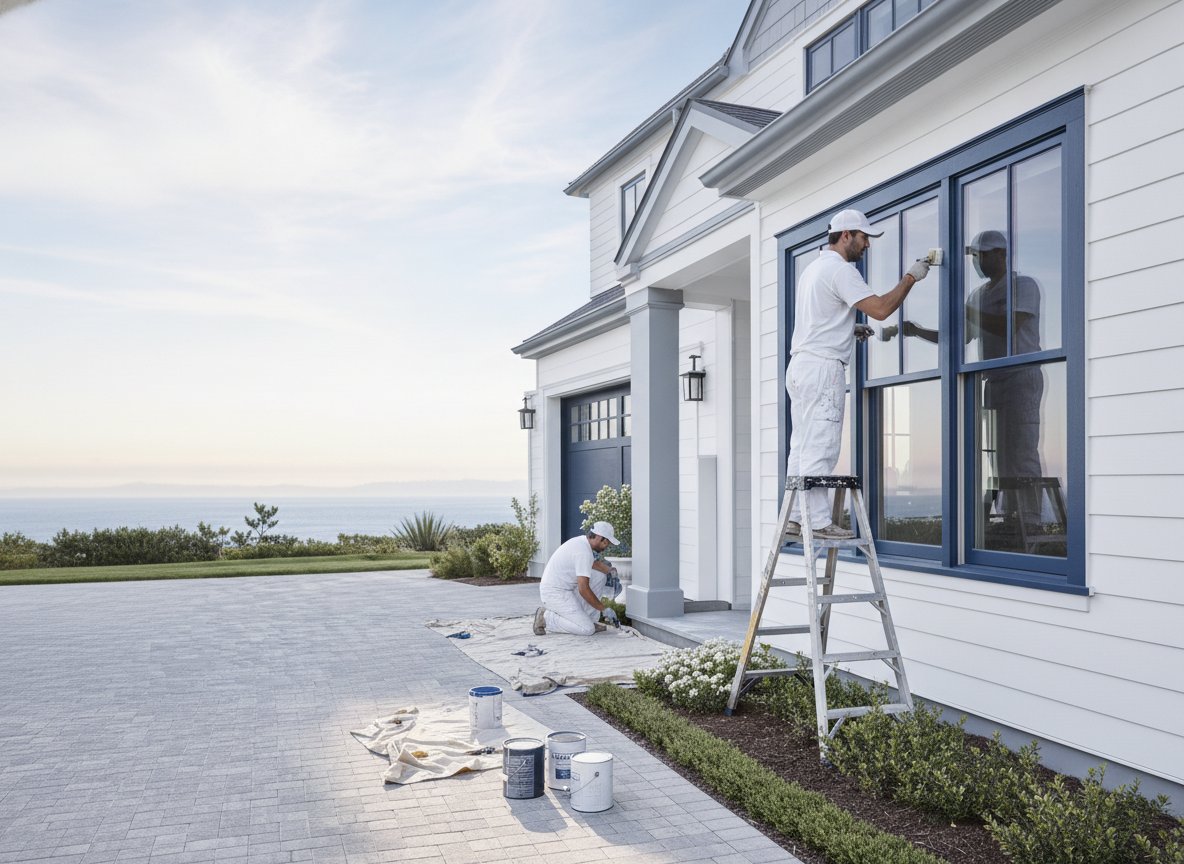
Understanding the Unique Challenges of Coastal Climates
Coastal climates are characterized by high humidity, salt exposure, and strong winds, all of which can adversely affect paint performance and longevity. These elements can lead to faster deterioration of paint, including peeling, cracking, and fading.
The need for specialized painting techniques and materials is critical to counteract these environmental factors. Proper preparation and selection of weather-resistant products are the first steps towards achieving a durable finish.
- High humidity accelerates mold and mildew growth.
- Salt exposure leads to corrosion and paint breakdown.
- Strong winds contribute to faster wear and tear.
Choosing the Right Materials for Coastal Painting
Selecting the right type of paint and finishes is crucial for homes and businesses located in coastal areas. High-quality acrylic latex paints are recommended due to their flexibility and resistance to moisture.
Elastomeric coatings offer an additional layer of protection by providing a thick, flexible barrier against harsh weather conditions. These coatings expand and contract with the surface, preventing cracks and moisture intrusion.
- Use high-quality acrylic latex paints for flexibility.
- Consider elastomeric coatings for added protection.
- Opt for paints with UV protection to prevent fading.
Best Practices for Painting in Coastal Areas
Preparation is key when painting in coastal climates. Ensure all surfaces are clean and free from salt deposits before applying paint. Using a primer specifically designed for high-moisture environments can enhance paint adhesion and durability.
Regular maintenance is also essential. Reapplying protective coatings and inspecting for damage can help extend the life of your paint job.
- Thoroughly clean surfaces to remove salt and debris.
- Use moisture-resistant primers for better adhesion.
- Schedule regular maintenance checks.
Frequently Asked Questions
How often should I repaint in a coastal environment?
In coastal areas, it's recommended to repaint every 5-7 years, depending on the exposure to elements and the quality of paints used.
What types of paint are best suited for coastal climates?
Acrylic latex paints and elastomeric coatings are ideal for coastal climates due to their flexibility and resistance to moisture.
Protect Your Coastal Property with Expert Painting Services
Ensure your home or business withstands coastal elements with our professional painting services. Contact Prime Finish Painter today for a free consultation and estimate.